Living Planet
Nature · Earth · ClimateNature Notes: Feb/March 2026
THE GREAT UNCURLING
The great 'uncurling' has begun to accelerate, with plants now speedily stretching up from the soil, buds bursting forth on branches and all life delighting in itself.
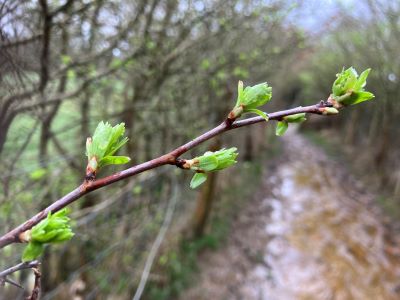
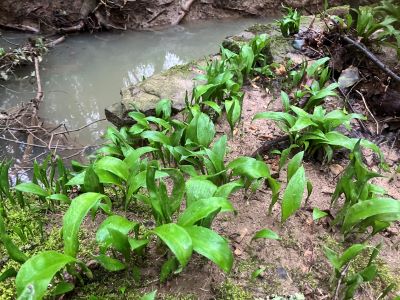
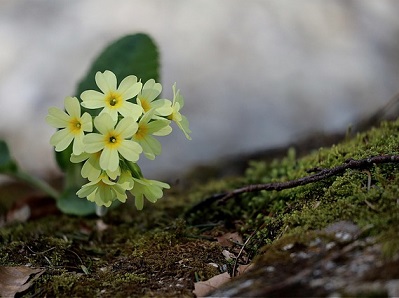
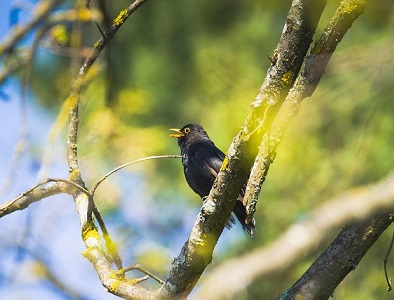
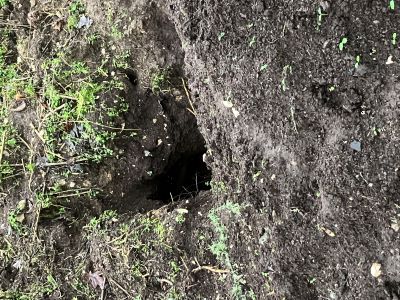
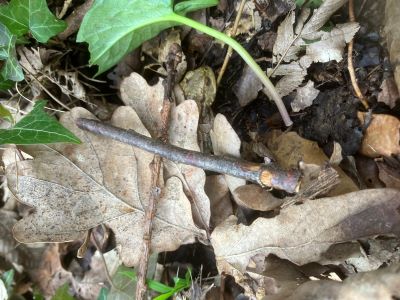
Highlights of February: rich, fluty, melodious warbles of blackbirds scattering rays of sunshine during rainy days; dawn and twilight territorial songs; the soft colours of primrose, snowdrop, crocus and daffodils; a newt shooting across the path; mice and voles running in and out of the undergrowth; buds, raindrops and emerging blossom on the same branch; our woodland floors and river banks newly 'greened' with growing blades of bluebells, spears of ransom and hearts of celandine leaves; a dog fox and vixen around their newly dug den; over-wintering insects reappearing including a peacock butterfly in church.
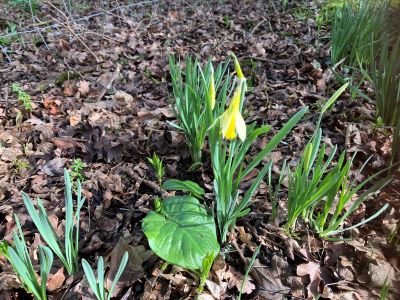
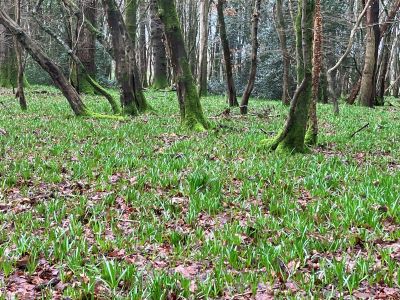
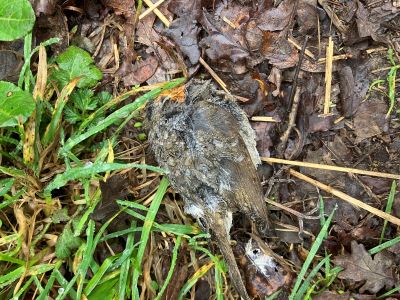
Lowlights: more relentless record-breaking rain; sodden fields and frequently flooded rivers washing away insects and their eggs along with small mammals and birds; warmer, wet weather triggering early frog-spawn some of which was washed out of ditches or frozen by subsequent cold snaps; dead worms and toads on the roads and a rather sodden dead robin on the footpath.
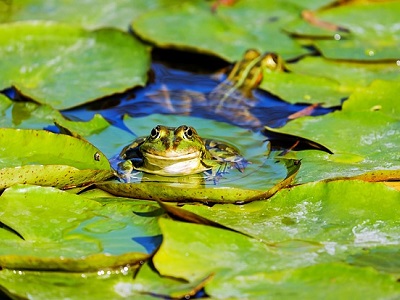
Key Messages: on a more positive 'note' scientists have observed that global warming is affecting the sound and quality of male frogs 'love songs'. As the climate warms, so does their pace and intensity, which female frogs apparently prefer. So, if you're near a pond, pause and listen for yourself ...
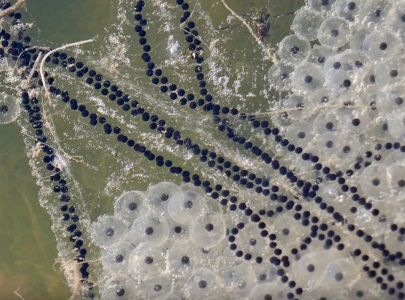
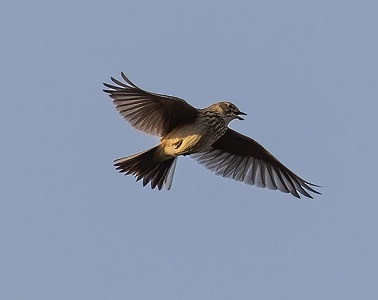
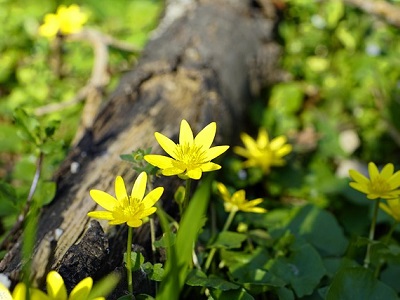
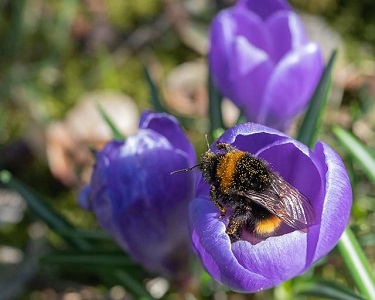
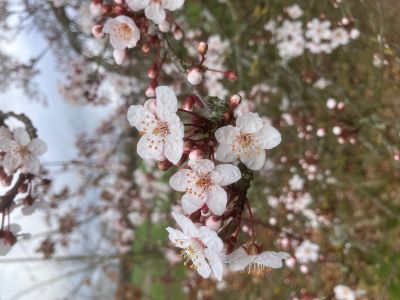
What to see/hear in March: a more intense dawn chorus, supplemented by chiff-chaffs and other early returning migratory birds; long strands of toad-spawn like strings of translucent black pearls draped over pond weed and submerged plants; Queen bumble bees on nectar; skylarks trilling overhead; the pink and white blush of cherry blossom; the golden yellow of lesser celandine; white blackthorn in the hedgerows; bats slowly emerging from hibernation to start re-building their fat reserves; young scruffy roe deer with patchy necks caused by scratching with their hind legs as they begin to moult their winter coats.
What you can do to help:
- Don't 'spring' into a garden clean-up until temperatures are consistently over 10C during the day and no cold snap is forecast. (Many insects may still be overwintering in hollow stems or under leaves and mammals in or around log piles, crevices and flower pots etc.)
- Temperatures in the space under sheds provide both the perfect hibernation and nesting spots for hedgehogs, so avoid any shed removals/renovations until the first two weeks of April(after hibernation, before nesting late April) or in September (before hibernation in October).
- Learn more about conserving our bats at 7.30pm on Friday 6th March in Warnham Village Hall (For information/tickets contact Dave Bridges butterfly0@btinternet.com)
(Toadspawn and Frogspawn Pic credit:GrannieJo, NatureSpot)