Living Planet
Nature · Earth · ClimateNature Notes: May/June 2026
SUMMER BUZZIN'
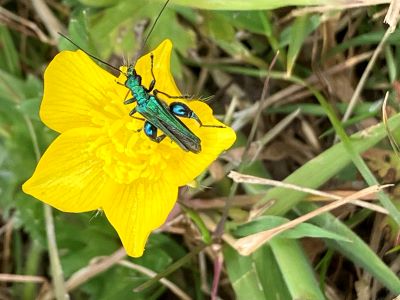
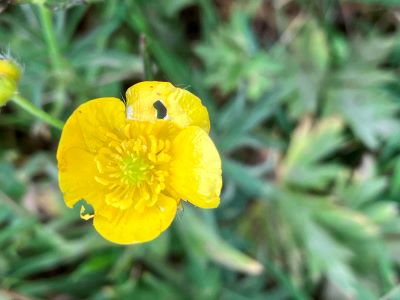
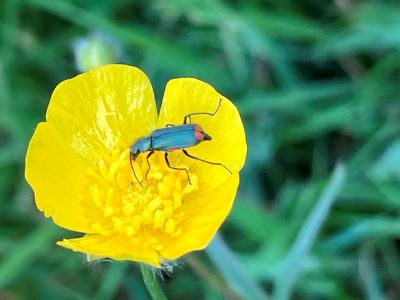
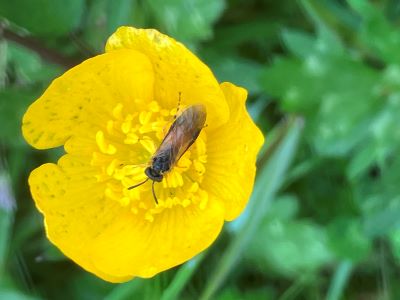
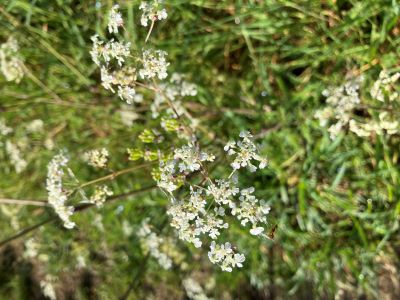
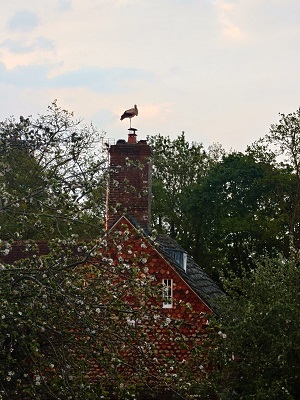
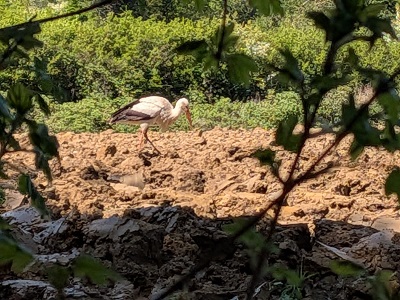
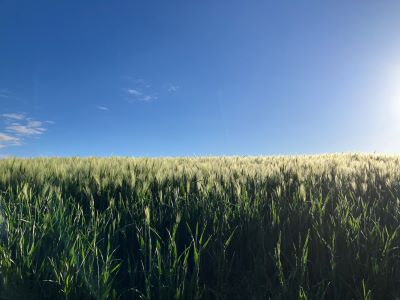
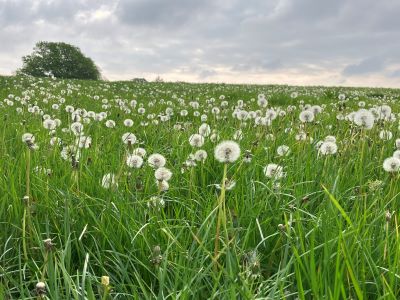
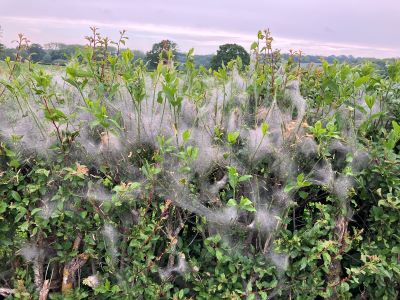
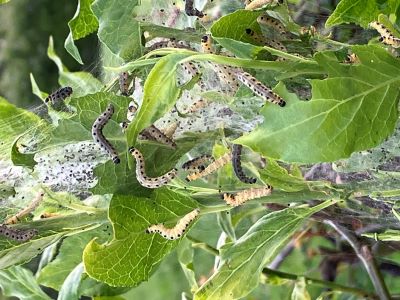
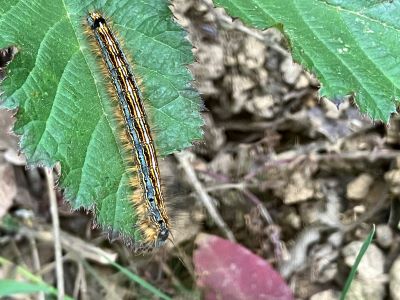
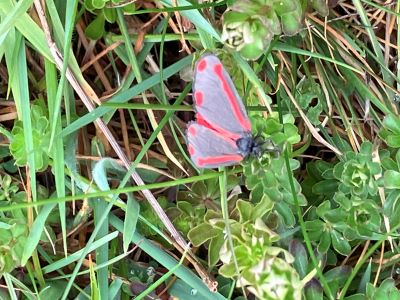
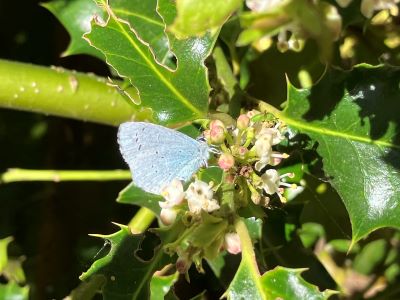
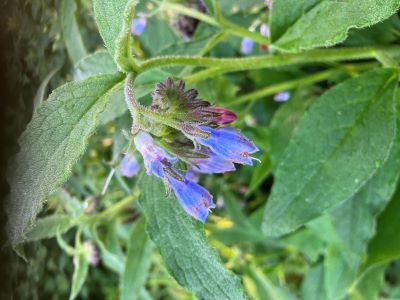
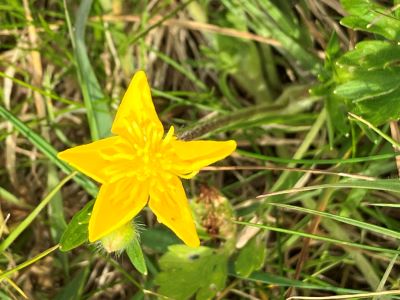
Highlights of May: white stork sightings behind a tractor, on our roof-tops and perusing the village cricket pitch, following late April's ploughing and harrowing of our clay-baked fields; red kite fledglings riding the waves along the furrow lines; beautiful song thrush and nightingale arias; caterpillars in the wind, cocooned in hedges and hanging by the same thread; a patch of false oxslips; beetles in buttercups; deep blue skies and sunshine; fields of clover and dandelion clocks; barley blue; sallow seed 'fluff' caught in dew sparkled grass; the white fizz of cow parsley and elderflowers; bright yellow Iris and delicate lemon field maple florets; a good month for holly blue butterflies, painted ladies, cinnabar moths and banded demoiselles.
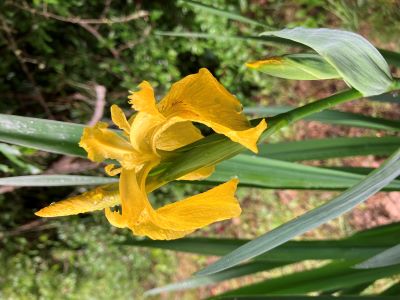
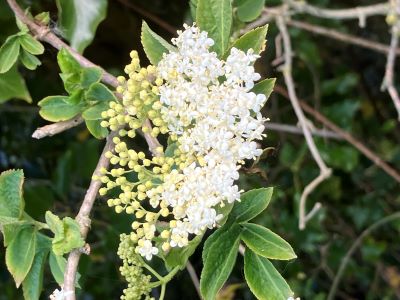
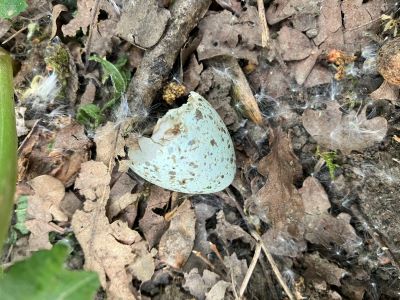
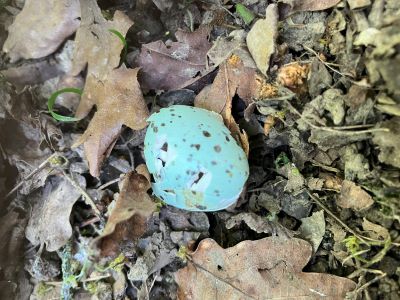
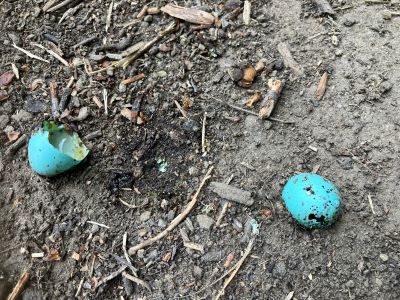
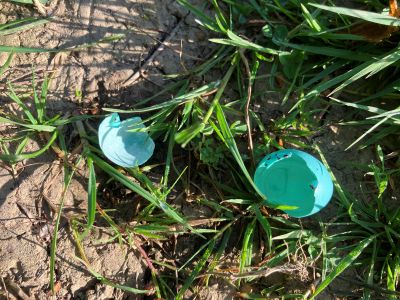
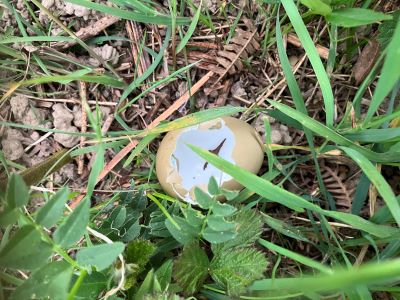
Lowlights: predated birds' eggs; a dead cockchafer/May bug trapped in a cobweb; insect holes in an old coat; silage cutting suddenly stripping fields bare of their cover for young nesting birds and mammals (including fawns and nesting skylarks); a new survey from the University of Sydney showing that crickets experience long drawn-out pain and stroke and groom sore antenna in much the same way as a dog nurses a hurt paw.
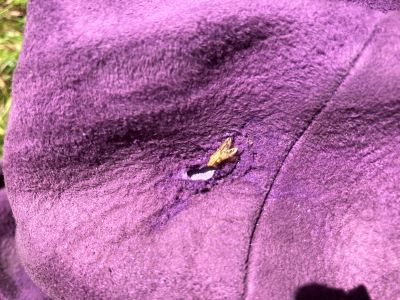
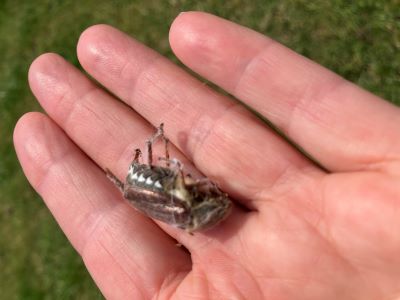
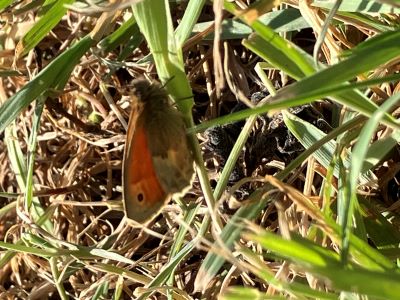
Key messages: we need to have empathy with all living things and think more carefully about the way we interact with insects. They are also vital to our survival, pollinating, decomposing and feeding everything further up the food chain. Did you know a single ladybird can eat more than 5,000 aphids in its lifetime (so is the best from of pest control) or that one in three mouthfuls of our own food depends on insect pollination?
How you can help:
1) Support the Royal Entomological Society's 'National Insect Week' between 20th-28th June 2026.
2) Celebrate the joy of butterflies by voting for Britains favourite online.
3) Take action for insects, plants and animals affected by light pollution by downloading the South Downs National Park's handy little 'Dark Skies' guide with some suggestions that take as little as 15 seconds.
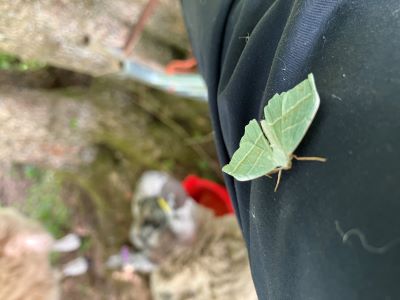
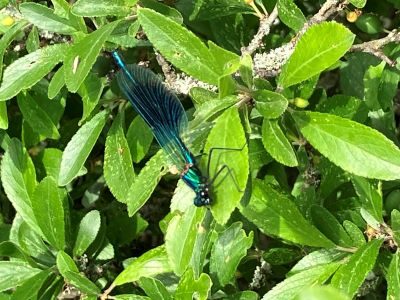
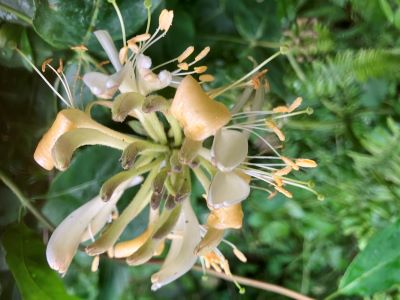
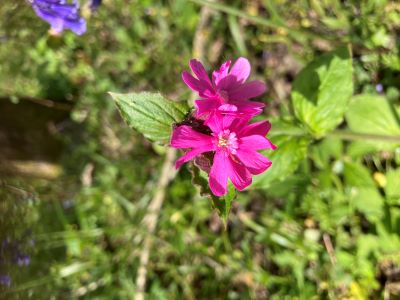
What to look and listen out for in June: the audible buzz and hum of mini-creatures in our gardens and meadows; thick-legged flower beetles; damselflies, dragonflies and meadow brown butterflies; bumbling stag beetles at twilight on warm, sultry evenings; grasshoppers, and crickets; slow-worms; harmless grass-snakes basking or seeking out warm, rotting vegetation to lay their leathery eggs; barn owls hunting during the day to feed their chicks; wild guelder rose, dog rose; the scent of wild honeysuckle and if you're lucky, glow-worms on Mid-summers eve!
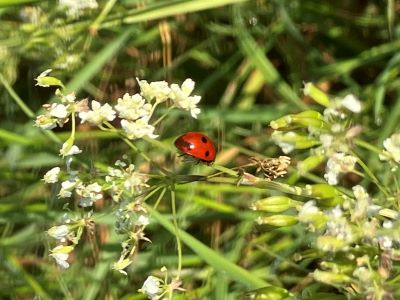
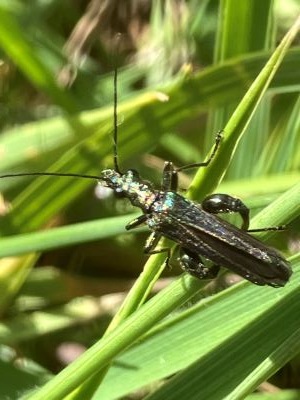
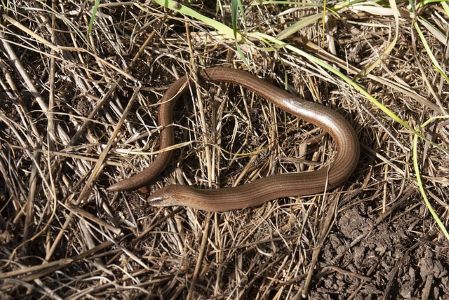
This June don't forget to 'Stand tall for the small'!